
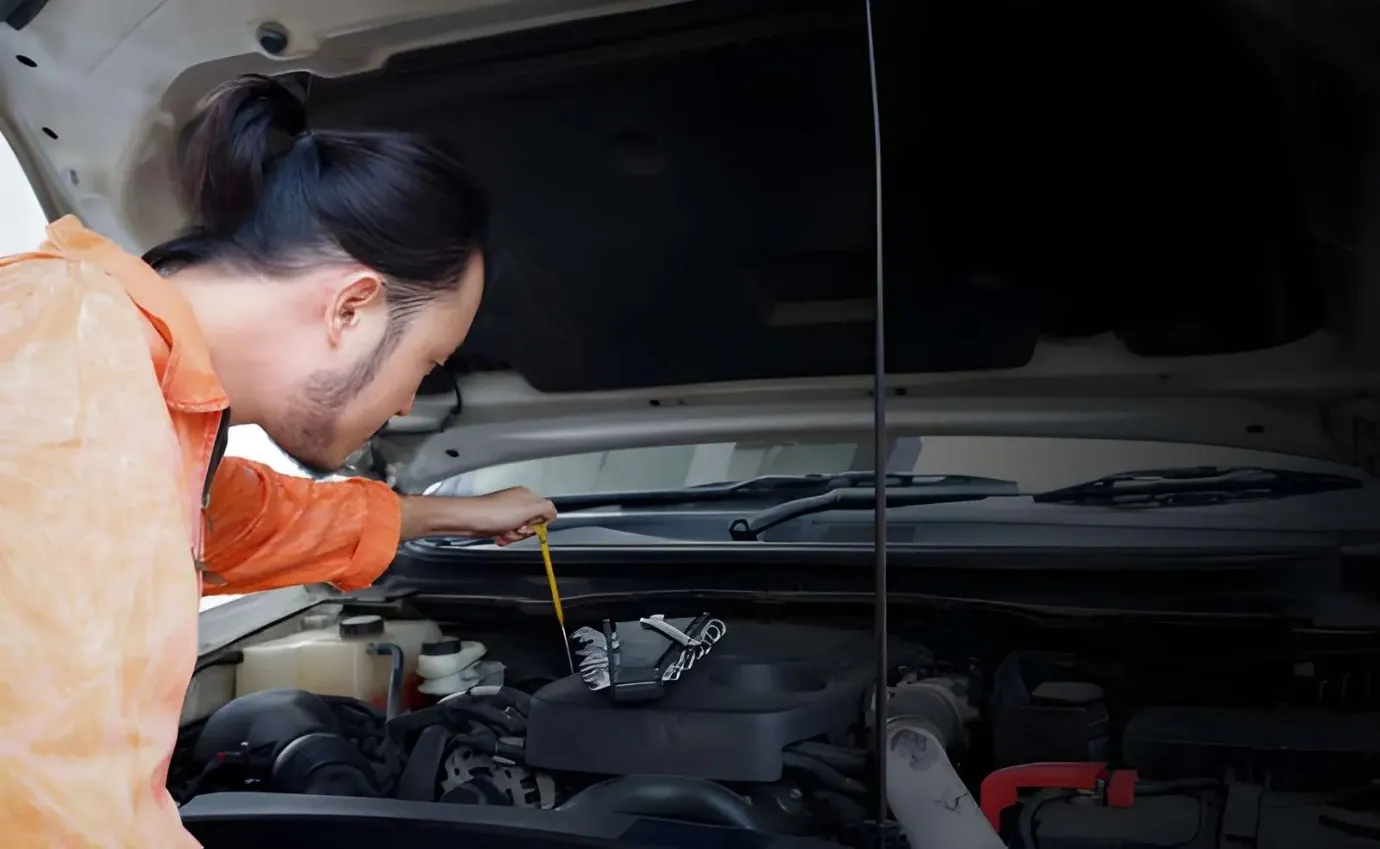
Most owner manuals describe an ideal driver who takes long highway trips in mild weather. Real life involves short commutes, heavy traffic, summer heat, and school runs. Those conditions are classified as severe service, and they change the maintenance schedule. Scheduling an oil change woodstock drivers can rely on is only one part of adapting to reality.
What Counts as Severe Driving
Frequent short trips, towing, dusty roads, idling in traffic, and extreme temperatures all qualify. If your typical drive is under ten minutes, the engine rarely reaches full operating temperature, which allows moisture and fuel residue to accumulate in the oil.
Many drivers fall into this category without realizing it. Check your manual for the severe schedule and compare it with your habits. Shorter intervals protect the engine and cost far less than repairs.
Oil, Filters, and Viscosity
Fresh oil lubricates, cools, and carries away contaminants. Over time, it thins, darkens, and loses additives. A quality filter traps particles, but it can clog if left too long.
Use the viscosity grade specified for your engine. Thicker or thinner oil can affect efficiency, wear, and cold starts. Synthetic blends and full synthetics resist breakdown better in heat, which suits demanding driving.
Cooling System Care
Heat is an engine’s constant enemy. Coolant degrades, hoses soften, and radiators clog with debris. Overheating can warp parts and cause expensive damage in minutes.
Check coolant level when the engine is cold, and have the system tested periodically. Replace fluid at recommended intervals, and watch for sweet smells, puddles, or rising temperature readings, which indicate leaks.
Tires and Pressure in Hot Weather
Heat raises tire pressure and accelerates wear. Check pressure monthly when tires are cold, and adjust according to the placard on the door jamb. Underinflated tires overheat and increase blowout risk.
Inspect tread depth and look for cracks or bulges. Rotating tires at regular intervals promotes even wear. Good tires improve fuel economy, handling, and braking, which matters more during sudden stops in traffic.
Battery Health and Electrical Load
Hot weather shortens battery life, even though cold mornings reveal the weakness. Slow cranking, dim lights, and warning symbols suggest trouble. Short trips rarely allow full recharging.
Scheduling car battery replacement Woodstock owners who plan avoid being stranded. Most batteries last several years, and a simple load test shows remaining capacity. Clean terminals and secure mounts also help.
Filters, Wipers, and Small Items
Air and cabin filters clog faster in dusty or congested conditions. A dirty air filter reduces performance and efficiency, while a clogged cabin filter weakens climate control and air quality.
Wiper blades harden in heat and streak when it rains. Replace them yearly, and keep washer fluid topped up. These inexpensive items affect visibility and safety significantly.
Keeping a Maintenance Log
Record dates, mileage, and services performed. A simple notebook or phone app helps you stay on schedule and provides evidence of care when selling the vehicle.
Review the log twice a year. Notice patterns, such as frequent top-ups or repeated warning lights. Early investigation prevents small problems from becoming breakdowns.
Conclusion
Hard-working cars need maintenance suited to real conditions. Shorten oil intervals, care for the cooling system, watch tire pressure, test the battery, and replace small wear items on time. A little discipline keeps the car reliable and comfortable.
For help planning service that fits how you drive, visit artofspeedga.com and talk with the team.