
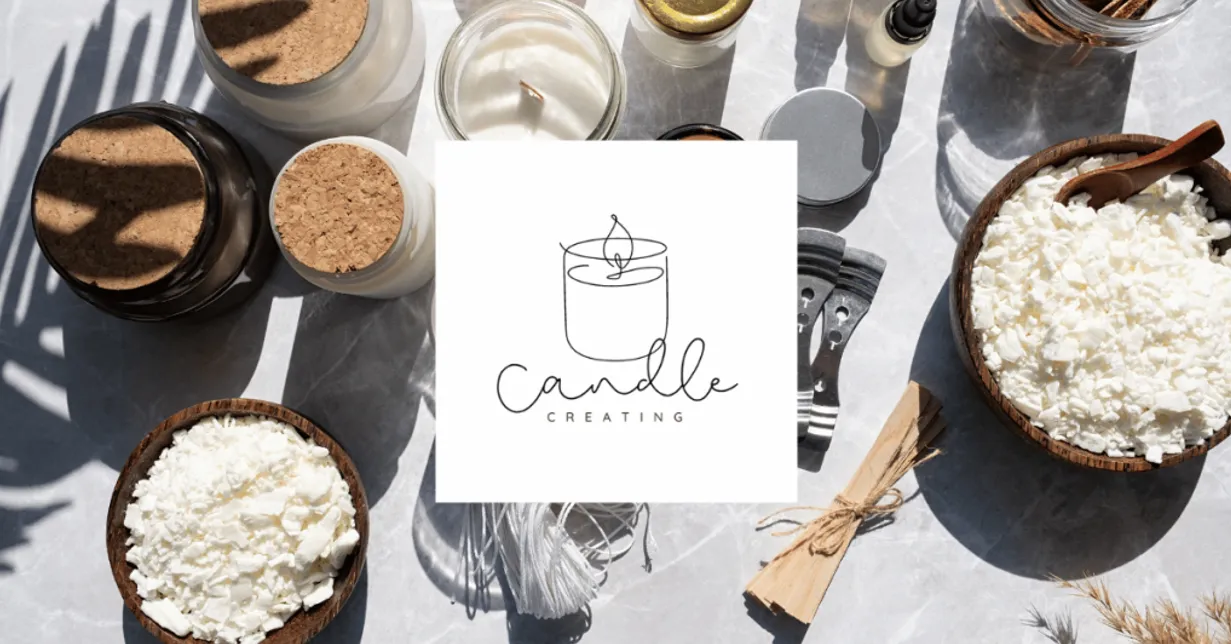
Handmade candles bring warmth and character to a room while offering a creative way to personalise home décor. From simple unscented candles to decorative pieces with carefully chosen fragrances and colours, candle making allows people to create products that suit their preferences. It can also become a rewarding hobby or a small business opportunity.
Learning the basics of making candles helps beginners choose suitable materials and follow a reliable process. With the right preparation and attention to safety, it is possible to produce attractive candles with consistent results.
Understanding the Basics of Candle Making
Candle making involves melting wax, preparing a wick, adding optional fragrance or colour, and pouring the mixture into a mould or container. Once the wax cools and hardens, the candle is ready for further testing and finishing.
Different materials affect how a candle looks and performs. Wax influences texture and burning behaviour, while the wick helps maintain a steady flame. Fragrance oils and dyes provide additional customisation when used in suitable quantities.
Choosing the Right Wax
Wax is the foundation of every candle. The best option depends on the intended appearance, container type, fragrance requirements, and personal preferences.
- Soy wax: A plant-based option commonly used for container candles. It generally produces a smooth finish when handled correctly.
- Beeswax: A natural wax with a warm colour and subtle honey-like scent. It is often selected for its distinctive appearance.
- Paraffin wax: A widely used material that can support strong colour and fragrance performance when properly formulated.
- Coconut wax blends: Often combined with other waxes to achieve particular textures and burning characteristics.
Beginners should select a wax designed for their chosen candle style rather than assuming every wax works equally well in containers and moulds.
Selecting a Suitable Wick
The wick controls how the candle draws melted wax towards the flame. An unsuitable wick may produce excessive smoke or an uneven melt pool. Wick selection depends on wax type, container diameter, fragrance load, and other formulation details.
Cotton and wooden wicks are common choices. Following the supplier’s sizing guidance and testing the finished candle helps identify the most appropriate option.
Essential Materials and Equipment
Preparing the required supplies before starting makes the process more organised and reduces avoidable mistakes.
The basic materials include:
- Candle wax suitable for the selected design
- A compatible wick and wick holder
- A heat-resistant container or candle mould
- A double boiler or suitable wax-melting equipment
- A thermometer for monitoring temperature
- A digital scale for measuring ingredients
- Candle-safe fragrance oil or dye if desired
- A stirring utensil and protective equipment
Use dedicated equipment for candle making whenever possible. Keep the workspace clean, dry, and free from clutter. Never melt wax directly over an uncontrolled flame or leave heating wax unattended.
Step-by-Step Guide to Making Handmade Candles
A consistent method helps beginners understand how each stage affects the finished candle.
1. Prepare the Container
Choose a clean, dry, heat-resistant container intended for candle use. Secure the wick centrally using a suitable adhesive or wick sticker. A wick holder can keep it upright while the wax cools.
Check that the container has no cracks or damage before proceeding.
2. Measure and Melt the Wax
Weigh the wax according to the container’s capacity and the product instructions. Melt it using a controlled heating method, monitoring the temperature with a thermometer.
Different waxes have different melting ranges. Follow the manufacturer’s recommended temperatures instead of relying on a single temperature for every formulation.
3. Add Fragrance and Colour
If fragrance or colour is required, measure the ingredients carefully. Use products specifically formulated for candle making and follow the wax supplier’s recommended usage rates.
Add them at the appropriate temperature for the chosen wax. Stir gently and thoroughly so the ingredients disperse evenly throughout the mixture.
4. Pour the Wax Carefully
Allow the mixture to reach the recommended pouring temperature. Pour slowly into the prepared container while keeping the wick centred.
Avoid moving the container unnecessarily during this stage. Sudden movement can disturb the wick or affect the candle’s surface as the wax begins to solidify.
5. Allow the Candle to Cool
Leave the candle undisturbed in a stable location away from drafts and direct sunlight. Cooling time varies according to the wax, container size, and room conditions.
Some candles may develop small surface imperfections or depressions around the wick. Follow the wax manufacturer’s guidance when deciding whether a finishing step is needed.
6. Trim and Test the Wick
Once the candle has fully cooled and set, trim the wick according to the manufacturer’s recommendations. Before using or selling the candle, conduct appropriate burn testing to assess flame stability, melt-pool development, container temperature, and overall performance.
A candle should never be considered ready for sale simply because its surface looks finished.
Creative Ideas for Personalised Candles
Handmade candles can reflect different interior styles, occasions, and gifting preferences. Simple design choices often create more appealing results than adding too many decorative elements.
Consider these ideas:
- Minimalist candles: Use neutral colours and plain containers for a clean appearance.
- Seasonal designs: Choose colours inspired by autumn, winter, or spring celebrations.
- Scented collections: Develop complementary fragrance profiles for relaxation, fresh interiors, or festive settings.
- Gift candles: Add personalised labels, coordinated packaging, or a message for a special occasion.
- Decorative moulds: Create shapes suited to display, while checking that the design and materials are appropriate for safe burning.
Experiment with one design change at a time. This makes it easier to identify which materials and techniques deliver the desired result.
Common Candle Making Mistakes to Avoid
Several problems can affect the appearance and performance of handmade candles. Many can be reduced through careful measurement, controlled temperatures, and testing.
- Using the wrong wick: Select a wick based on the complete candle formulation rather than appearance alone.
- Overheating wax: Follow the recommended temperature range and never leave melting wax unattended.
- Adding excessive fragrance: Stay within the wax manufacturer’s limits because more fragrance does not automatically produce a better candle.
- Moving candles while cooling: Keep containers stable to reduce uneven surfaces and wick displacement.
- Skipping burn tests: Test candles under controlled conditions before regular use or sale.
If a candle burns unevenly or develops an unstable flame, review its formulation and wick size before making another batch.
Turning Candle Making into a Small Business
Candle making can also provide a starting point for a home-based creative business. However, producing attractive candles is only one part of building a reliable product range.
New makers should calculate material costs, packaging expenses, labour, and other operating costs before setting prices. Consistent batches and clear product descriptions help establish customer confidence.
Product safety deserves equal attention. Makers should research applicable labelling requirements, fragrance restrictions, fire-safety guidance, and local business regulations before selling their products. Accurate records of ingredients and test results can also support quality control.
Conclusion: Create Handmade Candles with Care
Making handmade candles combines creativity with practical skills. Choosing compatible materials, measuring ingredients accurately, controlling temperatures, and testing finished products all contribute to better results. Beginners can start with a simple container candle and gradually explore different waxes, fragrances, colours, and designs.
For additional guidance and making candles info, explore Candle Creating and its guide to making candles. A careful approach makes candle making more rewarding while keeping quality and safety at the centre of each creation.