
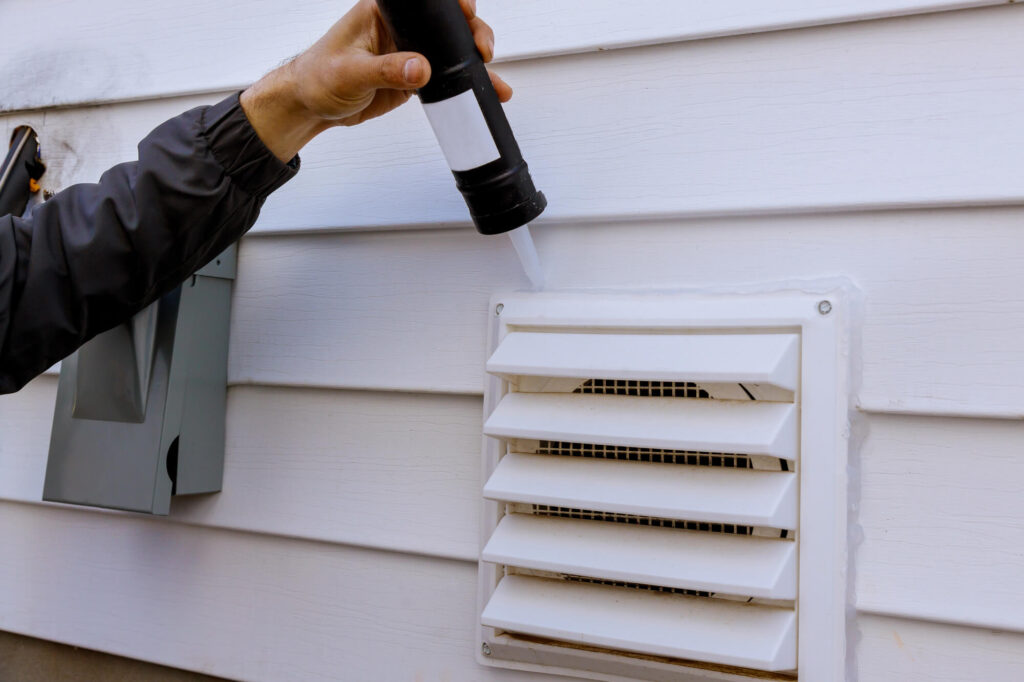
When people think about improving indoor air quality, they often focus on changing HVAC filters, using air purifiers, or keeping their homes dust-free. While these are all important steps, one area is frequently overlooked: the dryer vent. Although it’s connected to a single appliance, a dryer vent plays an important role in keeping air moving safely and efficiently out of your home.
Over time, lint, dust, and debris naturally build up inside the vent. As this buildup grows, it can restrict airflow, reduce your dryer’s performance, and affect the overall environment inside your home. Scheduling a professional dryer vent cleaning service is one way homeowners can help maintain better airflow while supporting a cleaner and more comfortable indoor living space.
Understanding the Connection Between Dryer Vents and Indoor Air Quality
Every time you run your dryer, warm air, moisture, and tiny lint particles are pushed through the dryer vent and exhausted outside. When the vent is clean, this process happens efficiently, allowing your dryer to operate as intended.
As lint begins collecting inside the vent, however, airflow becomes restricted. Instead of moving outside efficiently, warm, moist air may remain trapped longer within the system. While the exact effects vary from home to home, restricted airflow can contribute to excess humidity, reduced dryer performance, and unnecessary strain on the appliance.
Because dryer vents are hidden behind walls or located in less visible areas, many homeowners don’t realize they need attention until noticeable problems begin to develop.
How Lint Buildup Affects Your Home
Lint may seem harmless because it’s lightweight, but it accumulates surprisingly quickly. Every load of laundry releases tiny fibers from clothing, towels, and bedding. Although the dryer’s lint screen captures much of this material, it doesn’t collect everything.
Over time, the remaining lint gradually settles inside the vent. As the buildup becomes thicker, the opening available for airflow becomes smaller. This forces the dryer to work harder to move warm air outside.
A restricted vent doesn’t simply affect the appliance itself. Longer drying times, excess heat, and poor ventilation may also impact comfort inside the home, especially in laundry rooms with limited airflow.
Signs Your Dryer Vent May Need Cleaning
Many homeowners don’t inspect their dryer vent regularly because the warning signs often develop gradually. Paying attention to small changes in your dryer’s performance can help you identify potential issues before they become more serious.
Some common signs include:
● Clothes take longer than usual to dry.
● The dryer feels unusually hot during operation.
● The laundry room becomes warmer than normal.
● A musty smell develops after running the dryer.
● Excess lint appears around the dryer or vent opening.
● The outside vent flap doesn’t open fully while the dryer is running.
● Clothing feels unusually hot at the end of a drying cycle.
● You notice more humidity inside the laundry area.
If you begin noticing several of these signs together, it may be time to have the vent inspected and cleaned.
Why Restricted Airflow Reduces Dryer Efficiency
A dryer depends on steady airflow to remove warm, moist air from clothing. When the vent becomes partially blocked, that airflow slows down, making the drying process less efficient.
Instead of drying clothes in one cycle, the dryer may require additional time to remove the same amount of moisture. This means the appliance operates longer than necessary, using more electricity while placing additional wear on internal components.
Keeping the vent clean helps maintain proper airflow, allowing the dryer to perform more efficiently while reducing unnecessary operating time.
Clean Dryer Vents Can Help Control Moisture
Laundry naturally produces moisture, and your dryer is designed to send that moisture safely outdoors through the vent system. When airflow becomes restricted, moisture may not leave the system as efficiently as intended.
Although every home is different, excess moisture inside enclosed spaces can sometimes contribute to damp conditions, particularly in laundry rooms with limited ventilation. Maintaining a clear dryer vent supports better airflow and helps the appliance remove moisture more effectively during every drying cycle.
Regular Maintenance Supports Appliance Performance
Homeowners often remember to clean the dryer’s lint screen after every load, but the vent itself is sometimes forgotten. Both parts work together to help the appliance operate efficiently.
Cleaning the lint screen is an excellent daily habit, but it doesn’t remove the lint that gradually collects deeper inside the vent system. Regular inspections and professional cleaning help remove accumulated debris that isn’t accessible through routine household maintenance. By combining everyday care with periodic vent cleaning, homeowners can help their dryer continue operating more efficiently over the long term.
Additional Benefits of Keeping Dryer Vents Clean
A clean dryer vent offers several practical advantages beyond improving airflow. Many homeowners notice positive changes in both appliance performance and household convenience after regular maintenance.
Some of the potential benefits include:
● Shorter drying times
● Improved airflow
● Better dryer performance
● Less strain on the appliance
● More efficient energy use
● Reduced lint accumulation
● Better moisture removal
● A cleaner laundry area
Together, these benefits contribute to a more efficient laundry routine and support the overall performance of your dryer.
How Often Should Dryer Vents Be Cleaned?
There’s no single cleaning schedule that works for every household. The frequency depends on factors such as how often the dryer is used, the size of the household, the types of fabrics being dried, and the length of the vent system.
Homes that do several loads of laundry each week generally accumulate lint more quickly than homes with lighter laundry use. Larger families may also require more frequent inspections simply because the dryer operates more often.
If you’re unsure whether your vent needs cleaning, a professional inspection can help determine its condition and recommend an appropriate maintenance schedule.
Make Dryer Vent Care Part of Your Home Maintenance Routine
Many homeowners already include tasks such as replacing HVAC filters, cleaning gutters, and servicing heating and cooling equipment in their annual maintenance routine. Dryer vent cleaning deserves the same level of attention.
Adding it to your regular home maintenance checklist helps ensure the vent continues working efficiently year after year. Rather than waiting for drying performance to decline, preventive maintenance allows you to address lint buildup before it becomes a larger issue.
A little routine attention today can help keep your laundry area operating more efficiently throughout the year.
Conclusion
Indoor air quality is influenced by many parts of your home, including some that are easy to overlook. While dryer vents may not receive as much attention as heating and cooling systems, they play an important role in maintaining proper airflow and supporting efficient appliance performance.
Regular dryer vent maintenance, along with everyday habits like cleaning the lint screen and watching for early warning signs, helps your dryer work more effectively while contributing to a cleaner home environment. By making dryer vent care part of your regular maintenance routine, you can support better airflow, improve efficiency, and help your appliance continue performing at its best for years to come.