
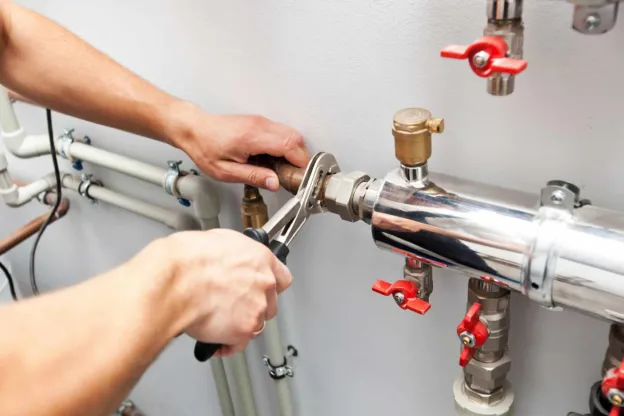
Plumbing problems are something every homeowner faces at some point. From dripping taps to blocked drains, these issues can start small but quickly turn into bigger, more expensive repairs if left unchecked. The inconvenience alone can disrupt your daily routine, not to mention the potential damage to your home.
While some problems can be handled with simple fixes, others require professional attention. Knowing the difference is key. In many cases, relying on expert plumbing repair services early can prevent minor issues from becoming major headaches, saving both time and money in the long run.
Why Plumbing Problems Are So Common in Homes
Plumbing systems are used every day, often without much thought. Over time, constant use leads to wear and tear, especially in older homes with ageing pipes and fixtures.
Several factors contribute to common plumbing issues:
● Continuous water pressure stressing pipes
● Build-up of minerals in hard water areas
● Poor installation or outdated systems
● Lack of regular maintenance
Preventive Maintenance vs Reactive Repairs
Preventive maintenance involves checking and servicing your plumbing regularly, while reactive repairs happen after something goes wrong. The latter often costs more and causes more disruption. Staying ahead with basic upkeep can significantly reduce unexpected breakdowns.
Leaking Pipes and Taps – Causes and Quick Fixes
Leaking taps and pipes are among the most frequent household problems. Even a slow drip can waste a surprising amount of water over time.
Common Causes
● Worn-out washers or seals
● Corroded pipes
● Loose fittings
● Excessive water pressure
What You Can Do
In many cases, tightening a connection or replacing a washer can solve the issue. Temporary sealants can also help stop minor leaks until a permanent fix is applied.
When It Becomes Serious
If leaks persist or appear in hidden areas like walls or ceilings, they can lead to structural damage or mould growth. At this point, professional inspection is essential.
Blocked Drains and Slow Water Flow
Blocked drains are another common frustration. They usually develop gradually, making them easy to ignore until water starts draining slowly or not at all.
Common Causes
● Hair and soap residue in bathroom drains
● Grease and food waste in kitchen sinks
● Foreign objects accidentally flushed
Simple Solutions
Before calling for help, you can try:
● Using a plunger to dislodge blockages
● Pouring hot water mixed with mild detergent
● Applying a suitable drain cleaner
Warning Signs of a Bigger Problem
If multiple drains are clogged or the issue keeps returning, it may indicate a deeper blockage in the main pipe system that requires professional tools and expertise.
Low Water Pressure – What’s Behind It?
Low water pressure can make everyday tasks like showering or washing dishes frustrating. The causes can vary from minor to more complex issues.
Possible Reasons
● Mineral deposits narrowing pipes
● Leaks within the plumbing system
● Issues with the local water supply
Quick Checks at Home
Start by checking tap aerators and showerheads for blockages. Cleaning these can often restore normal pressure. Also, ensure valves are fully open.
When to Seek Help
If the problem affects the entire home or persists despite basic checks, it may signal a hidden leak or pipe damage that needs expert attention.
Running Toilets and Silent Water Waste
A running toilet may seem like a small nuisance, but it can waste a significant amount of water if not addressed promptly.
Common Causes
● Faulty flapper valve
● Incorrect float level
● Worn-out fill valve
Easy Fixes
Adjusting the float or replacing worn components is often enough to stop the problem. These parts are relatively inexpensive and easy to install.
When DIY Isn’t Enough
While many plumbing issues can be handled with simple tools and basic knowledge, some problems require professional expertise. Attempting to fix complex issues without proper experience can lead to further damage.
Signs You Need Professional Help
● Persistent leaks that don’t improve
● Sudden and unexplained drop in water pressure
● Damp patches or water stains on walls
● Strange noises coming from pipes
● Frequent or recurring drain blockages
Ignoring these signs can result in more costly repairs later, so it’s important to act promptly.
Tips to Prevent Future Plumbing Issues
Prevention is always better than repair. With a few simple habits, you can keep your plumbing system running smoothly.
● Avoid pouring grease or oil down drains
● Use drain covers to catch debris
● Regularly inspect visible pipes for leaks
● Monitor water pressure levels
● Schedule periodic professional inspections
Taking these steps can extend the life of your plumbing system and reduce the likelihood of unexpected problems.
Conclusion
Plumbing problems are a normal part of homeownership, but they don’t have to be overwhelming. Understanding the most common issues and knowing how to respond can make a significant difference.
Simple fixes can often resolve minor problems, but recognising when to seek professional help is just as important. Acting early not only protects your home but also helps avoid unnecessary costs. With regular maintenance and a proactive approach, you can keep your plumbing system in reliable working condition.