
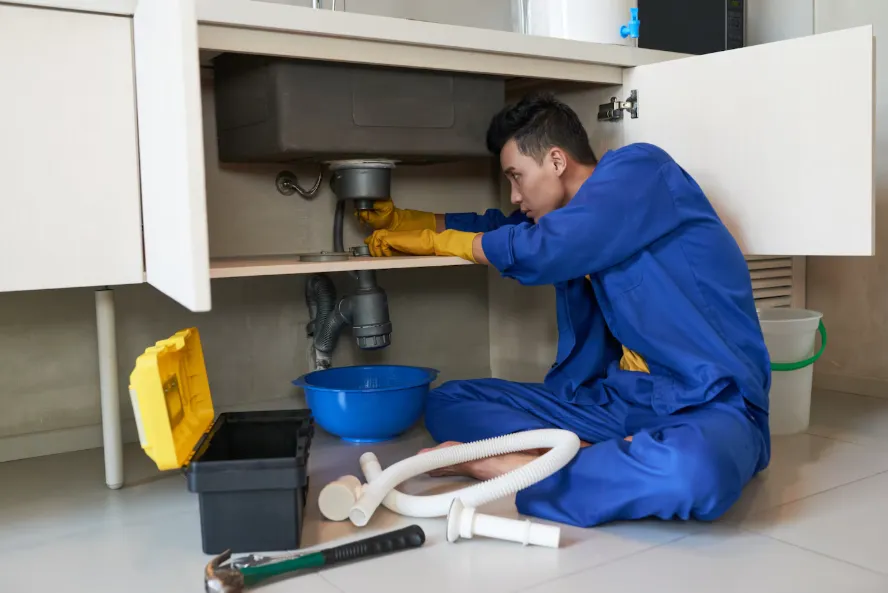
Blocked drains are one of those frustrating household problems that seem small at first—but can quickly turn into a messy, expensive headache. Whether it’s a slow-draining sink, a backed-up shower, or an overflowing outdoor pipe, drainage issues can disrupt your daily routine and even damage your home if ignored.
In this guide, we’ll explore everything you need to know about blocked drains—from common causes to practical solutions and prevention tips. The goal is simple: help you understand the problem like a professional, without complicated jargon.
What Are Blocked Drains?
Blocked drains occur when something restricts or completely stops the flow of water through your plumbing system. Instead of water moving freely down the pipes, it slows down, backs up, or even comes back up through sinks, toilets, or floor drains.
At first, you might notice subtle signs like slow drainage or unpleasant smells. But over time, these can escalate into more serious problems like flooding or pipe damage.
Common Causes of Blocked Drains
Understanding what causes blocked drains is the first step to preventing them. Most blockages are the result of everyday habits.
1. Grease and Food Waste
In the kitchen, oils and grease are major culprits. When poured down the sink, they cool and harden, sticking to pipe walls and trapping other debris.
2. Hair Build-Up
Bathroom drains often get clogged with hair. Over time, it combines with soap residue and forms stubborn blockages.
3. Soap Scum
Soap may seem harmless, but it can leave behind a sticky residue that narrows pipes and traps dirt.
4. Foreign Objects
Items like wipes, sanitary products, cotton buds, and even small toys can cause serious blockages when flushed or washed down.
5. Tree Roots
In outdoor drainage systems, tree roots can grow into pipes searching for moisture, causing cracks and blockages.
Signs You Have a Blocked Drain
Blocked drains don’t always appear suddenly. Here are some early warning signs to watch for:
- Water draining slowly from sinks or tubs
- Gurgling sounds coming from pipes
- Unpleasant odors from drains
- Water backing up in unexpected places
- Overflowing outdoor drains during rain
Recognizing these signs early can save you from costly repairs later.
Simple DIY Solutions for Blocked Drains
Before calling a professional, there are a few simple methods you can try at home. These can often solve minor blockages effectively.
Hot Water Flush
Pouring boiling water down the drain can help dissolve grease and soap build-up.
Baking Soda and Vinegar
A natural and eco-friendly solution:
- Pour baking soda into the drain
- Add vinegar
- Let it fizz for 10–15 minutes
- Flush with hot water
Plunger
A plunger creates pressure that can dislodge blockages in sinks, toilets, and showers.
Drain Snake
A drain snake or auger can physically remove hair and debris stuck in pipes.
When to Call a Professional
While DIY methods can handle minor issues, some blocked drains require expert attention. You should consider calling a plumber if:
- The blockage keeps returning
- Multiple drains are affected at once
- Water is backing up severely
- There’s a strong sewage smell
- DIY methods are not working
Professional plumbers use advanced tools like drain cameras and high-pressure water jetting to locate and remove blockages efficiently.
Why Ignoring Blocked Drains Is Risky
It’s tempting to ignore a slow drain, especially if it still “kind of works.” But doing so can lead to bigger problems:
- Pipe damage: Pressure from blockages can crack pipes
- Water damage: Overflowing drains can damage floors and walls
- Health hazards: Stagnant water can harbor bacteria and mold
- Higher costs: Small issues can turn into expensive repairs
Taking action early is always the smarter—and cheaper—choice.
Preventing Blocked Drains: Smart Habits That Work
Prevention is always better than cure. With a few simple habits, you can keep your drains flowing smoothly.
In the Kitchen
- Avoid pouring grease or oil down the sink
- Use a sink strainer to catch food particles
- Dispose of food waste in the bin instead
In the Bathroom
- Install drain covers to catch hair
- Avoid flushing non-flushable items
- Clean drains regularly to prevent build-up
Outdoor Maintenance
- Keep gutters and outdoor drains clear of leaves
- Trim tree roots near drainage lines
- Schedule periodic inspections if your home is older
Modern Solutions for Stubborn Blocked Drains
Technology has made dealing with blocked drains more efficient than ever. Professionals now use advanced methods that are both effective and non-invasive.
CCTV Drain Inspection
Small cameras are inserted into pipes to locate blockages and identify damage without digging.
Hydro Jetting
High-pressure water jets are used to clear stubborn blockages and clean pipe walls thoroughly.
Pipe Relining
Instead of replacing damaged pipes, a new lining is inserted, saving time and cost.
The Emotional Side of Plumbing Problems
It might sound surprising, but blocked drains don’t just affect your home—they affect your peace of mind. Waking up to a flooded bathroom or dealing with foul smells can be stressful and overwhelming.
That’s why understanding your drainage system and knowing how to respond can make a big difference. It gives you confidence and control over a situation that might otherwise feel chaotic.
How Often Should You Maintain Your Drains?
Regular maintenance can prevent most drainage issues. As a general rule:
- Clean household drains monthly
- Inspect outdoor drains seasonally
- Schedule professional maintenance once a year
This routine helps catch small problems before they become serious.
Eco-Friendly Drain Care Tips
Many chemical drain cleaners promise quick results, but they can harm both your pipes and the environment. Instead, consider these eco-friendly alternatives:
- Use natural cleaners like baking soda and vinegar
- Avoid harsh chemicals
- Dispose of waste responsibly
- Use enzyme-based cleaners for safe maintenance
These methods are not only safer but also sustainable in the long run.
Final Thoughts: Keeping Your Drains Trouble-Free
Blocked drains are a common problem, but they don’t have to be a constant headache. With the right knowledge and a few preventive habits, you can keep your plumbing system running smoothly.
Remember, most blockages are caused by everyday actions—what you pour, flush, or wash down the drain. Small changes in these habits can make a big difference.
If a problem does arise, act quickly. Try simple solutions first, but don’t hesitate to call a professional when needed. Taking care of your drains isn’t just about avoiding inconvenience—it’s about protecting your home, your health, and your peace of mind.