
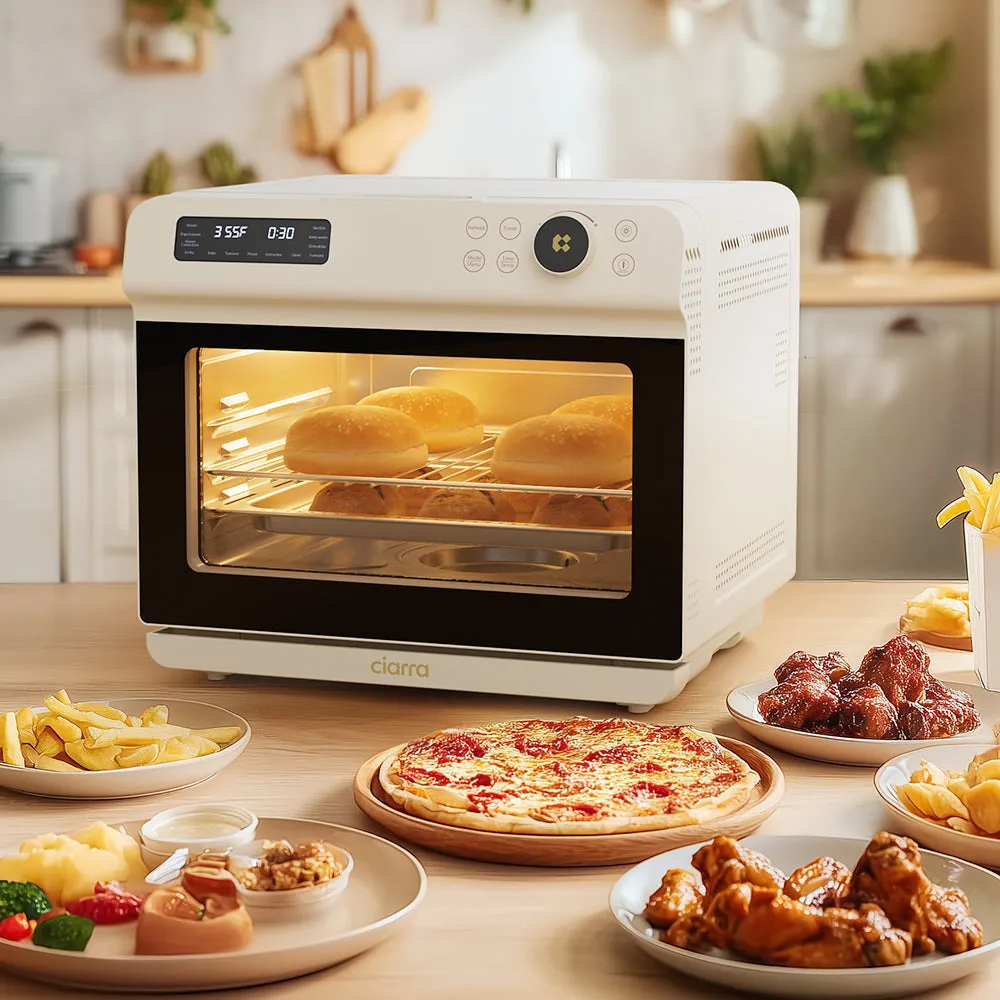
A conventional oven is one of the most essential appliances in any kitchen, whether you are a home cook or a professional chef. Known for its simplicity, reliability, and versatility, this type of oven has been a staple in households for decades. If you are considering upgrading your kitchen or simply want to understand how a conventional oven works, this comprehensive guide will walk you through everything you need to know.
What Is a Conventional Oven?
A conventional oven, also known as a traditional oven, uses heating elements located at the top and bottom of the oven cavity. These elements heat the air inside the oven, which then cooks the food. Unlike modern convection ovens that use fans to circulate hot air, conventional ovens rely on natural heat distribution.
Because of this, the heat inside a conventional oven can sometimes be uneven, with hotter zones near the top or bottom. However, experienced cooks often use this to their advantage by positioning dishes strategically for better results.
How Does a Conventional Oven Work?
The operation of a conventional oven is straightforward. When you set the desired temperature, the heating elements begin to warm up. The bottom element is typically responsible for baking, while the top element is used for broiling or browning.
Heat rises naturally, which means the top of the oven tends to be warmer than the bottom. This is why recipes often recommend placing certain dishes on specific racks. For example, baked goods like cakes are usually placed in the center to ensure even cooking.
Interestingly, many homeowners pair their cooking setup with efficient ventilation solutions, and in some cases, even a portable range hood can complement the kitchen by managing smoke and odors effectively.
Key Features of a Conventional Oven
Conventional ovens come with a range of features that make them practical and user-friendly. Here are some of the most common ones:
1. Temperature Control
Most conventional ovens allow precise temperature adjustments, usually ranging from 150°F to 500°F. This flexibility makes them suitable for a wide variety of recipes.
2. Multiple Rack Positions
The ability to adjust rack positions helps you control how close your food is to the heat source. This is especially useful when baking multiple dishes at once.
3. Broil Function
The broil setting activates the top heating element, making it ideal for melting cheese, crisping surfaces, or finishing dishes.
4. Timer and Auto Shut-Off
Many modern conventional ovens include timers and safety features like automatic shut-off, ensuring convenience and peace of mind.
5. Easy Maintenance
With fewer moving parts compared to convection ovens, conventional ovens are generally easier to maintain and repair.
Advantages of Using a Conventional Oven
Despite the rise of advanced cooking appliances, conventional ovens remain popular for several reasons:
Reliable Cooking Performance
Conventional ovens provide consistent results, especially for recipes that are specifically designed for traditional heat settings.
Ideal for Baking
Baking enthusiasts often prefer conventional ovens because they create a stable environment that is perfect for cakes, bread, and pastries.
Cost-Effective
These ovens are usually more affordable than convection models, making them a great choice for budget-conscious buyers.
Simplicity
The straightforward design makes them easy to use, even for beginners. There are no complex settings or additional components to manage.
Disadvantages to Consider
While conventional ovens have many benefits, they are not without drawbacks:
Uneven Heat Distribution
Because there is no fan to circulate air, some areas of the oven may be hotter than others. This can lead to uneven cooking if not managed properly.
Longer Cooking Times
Conventional ovens often take longer to cook food compared to convection ovens, which can be less energy-efficient.
Limited Air Circulation
The lack of airflow can sometimes result in less crisp textures, especially for roasted or fried-style dishes.
Conventional Oven vs. Convection Oven
Understanding the difference between conventional and convection ovens can help you make the right choice.
-
Heat Distribution: Conventional ovens rely on natural heat flow, while convection ovens use fans for even circulation.
-
Cooking Time: Convection ovens cook faster, whereas conventional ovens may take longer.
-
Texture: Convection ovens are better for achieving crispy textures, while conventional ovens excel in baking.
Ultimately, the choice depends on your cooking style and preferences.
Tips for Using a Conventional Oven Effectively
To get the best results from your conventional oven, consider the following tips:
Preheat Properly
Always allow the oven to reach the desired temperature before placing your food inside. This ensures even cooking from the start.
Use the Right Rack Position
Place your dish in the center for even baking. Use the top rack for broiling and the bottom rack for crisping.
Rotate Your Dishes
If you are cooking multiple items, rotate them halfway through to ensure even exposure to heat.
Avoid Overcrowding
Leaving enough space between dishes allows heat to circulate more effectively.
Monitor Cooking Time
Since heat distribution can vary, keep an eye on your food to prevent overcooking or burning.
How to Choose the Best Conventional Oven
When buying a conventional oven, there are several factors to consider:
Size and Capacity
Choose an oven that fits your kitchen space and meets your cooking needs. Larger families may require bigger ovens.
Energy Efficiency
Look for models that offer good insulation and energy-saving features to reduce electricity consumption.
Build Quality
Durable materials and a solid build ensure long-term performance.
Additional Features
While simplicity is key, features like digital controls, self-cleaning options, and timers can add convenience.
Budget
Set a budget and compare different models to find the best value for your money.
Maintenance and Care
Keeping your conventional oven in good condition is essential for optimal performance:
-
Clean Regularly: Wipe spills and grease after each use to prevent buildup.
-
Check Heating Elements: Ensure they are functioning properly and replace them if necessary.
-
Inspect Door Seals: A tight seal helps maintain temperature and improves efficiency.
-
Use Proper Cookware: Avoid using materials that can damage the oven interior.
Is a Conventional Oven Right for You?
A conventional oven is an excellent choice for those who value simplicity, affordability, and reliable performance. It is especially suitable for baking and traditional cooking methods. While it may not have the advanced features of modern appliances, it remains a dependable option for everyday use.
If you enjoy classic cooking techniques and want an appliance that is easy to use and maintain, a conventional oven could be the perfect addition to your kitchen.
Final Thoughts
The conventional oven continues to hold its place as a kitchen essential, offering dependable performance and versatility. Whether you are baking a cake, roasting vegetables, or preparing a family meal, this timeless appliance delivers consistent results.
By understanding how it works and following best practices, you can make the most of your conventional oven and elevate your cooking experience. With the right choice and proper care, it can serve you well for years to come.