
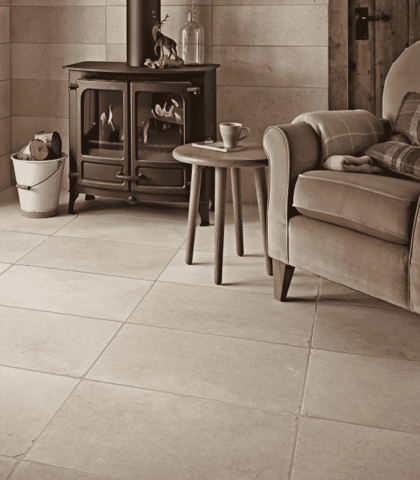
When designers talk about timeless luxury, Egyptian marble comes up in the same breath as Italian Carrara and Greek Thassos. Quarried along the Nile Valley and the Eastern Desert for over 5,000 years, Egypt marble carries both geological prestige and cultural weight. The same stone used in ancient temples and royal palaces is now a go-to material for high-end homes, hotels, and commercial spaces worldwide. Here’s why architects and interior designers keep specifying Egyptian marble for luxury interiors.
A Legacy Carved in Stone
Egypt’s relationship with marble didn’t start with modern design trends. The pyramids of Giza, Karnak Temple, and the ancient city of Alexandria all used local stone for floors, columns, and decorative panels. That history matters because it proves durability. Marble that has survived millennia in the desert sun and sandstorms isn’t just beautiful — it’s structurally proven.
Today’s quarries in areas like Sinai, Red Sea, and Upper Egypt extract blocks using updated technology, but the material itself is unchanged. This continuity gives Egypt marble a story that imported alternatives can’t match. Clients aren’t just buying a countertop; they’re buying a piece of architectural heritage.
Distinct Colors and Veining That Stand Out
Egyptian marble is known for warm, earthy tones and dramatic movement. While Italian marble leans cool and gray, Egypt marble offers creams, honey golds, and soft beiges with bold, flowing veins. The most sought-after varieties include:
1. Sunny Menia: A creamy beige base with golden veining. It’s used heavily in flooring for luxury villas because it reflects light and makes spaces feel larger without the starkness of pure white.
2. Galala: Light beige to yellow with subtle, cloud-like patterns. Galala is a favorite for large wall cladding and hotel lobbies because the slabs stay consistent across big areas.
3. Silvia: A darker beige with strong brown and gold veins. Designers use it for statement fireplaces, feature walls, and vanities where contrast is key.
4. Sinai Pearl: Creamy white with delicate gray veins. It competes directly with Carrara but with warmer undertones that work better in Middle Eastern and Mediterranean color palettes.
Because these stones come from large, stable formations, blocks can be cut into book-matched or vein-matched slabs. That means walls and floors can have continuous patterns flowing across seams — a signature of true luxury.
Strength, Finish, and Practical Performance
Luxury means low maintenance, and Egypt marble delivers. The stone has high density and low porosity compared to many other marbles. That makes it more resistant to staining and etching when sealed properly. In practical terms, it handles kitchen islands, bathroom vanities, and high-traffic hotel floors without constant worry.
It also takes polish exceptionally well. A mirror finish on Galala or Sunny Menia reflects light deep into a room, which is why it’s common in 5-star hotels and branded residences in Dubai, London, and Cairo. For outdoor use, honed or brushed finishes provide grip while keeping the stone’s character.
Thickness matters in luxury work. Egyptian quarries produce blocks large enough for 2cm and 3cm slabs, plus custom 5cm+ pieces for grand staircases and sculptural furniture. That structural capacity lets designers think beyond tile and use marble as a solid material.
Cost Advantage Without Compromising Luxury
Here’s the practical reason Egypt marble wins so many global projects: value. The quality rivals top European stones, but quarrying and labor costs in Egypt keep pricing competitive. For developers building luxury apartments or large hotels, that difference scales into millions saved without sacrificing the “marble look.”
Shipping is also efficient. With ports on the Mediterranean and Red Sea, Egyptian slabs reach Europe, the Gulf, and Asia faster than stone from Brazil or remote regions. Shorter lead times matter when construction schedules are tight.
Where You’ll See Egypt Marble Today
Walk into luxury developments in Dubai Marina, high-end retail in Riyadh, or private villas in Marbella and you’ll likely step on Egyptian marble. It’s the default for lobbies, bathrooms, and flooring in projects where clients want natural stone but don’t want the cold feel of white Carrara.
Interior trends also favor its warmth. Modern organic design, desert minimalism, and warm-neutral palettes all pair naturally with the beige and gold tones of Galala and Sunny Menia. Designers use it to soften spaces that would feel harsh with gray stone or porcelain.
Sourcing and Sustainability Notes
Modern Egyptian quarries follow stricter environmental standards than in the past. Blocks are cut with diamond wire saws to reduce waste, and water from cutting is recycled. Many suppliers now provide full traceability from quarry to slab, which matters for LEED and green building projects.
When specifying, ask for the quarry name and photos of current blocks. Like all natural stone, color and veining vary. Reputable suppliers will match lots for large projects so your floor doesn’t shift from cream to yellow halfway through.
Caring for Egyptian Marble
Marble is marble — it needs sealing and basic care. For Egypt marble, sealing once a year prevents most staining. Clean with pH-neutral stone soap, not vinegar or bleach. Use coasters under glasses and mats under hot pans. With that routine, floors and counters will age gracefully and develop a patina instead of damage.
The Bottom Line
Egyptian marble hits the rare intersection of history, beauty, performance, and value. It has the pedigree of ancient monuments, the visual warmth that modern luxury demands, and the structural reliability that architects trust. That’s why Egypt marble shows up in projects where the budget allows any stone in the world — but the brief calls for something timeless.
For homeowners, choosing Egyptian marble means getting a material with a 5,000-year track record. For designers, it means fewer compromises between look, cost, and scale. And for developers, it means delivering luxury that feels authentic, not replicated.
If your next project calls for natural stone that elevates without overpowering, Egypt marble deserves to be on the shortlist.