
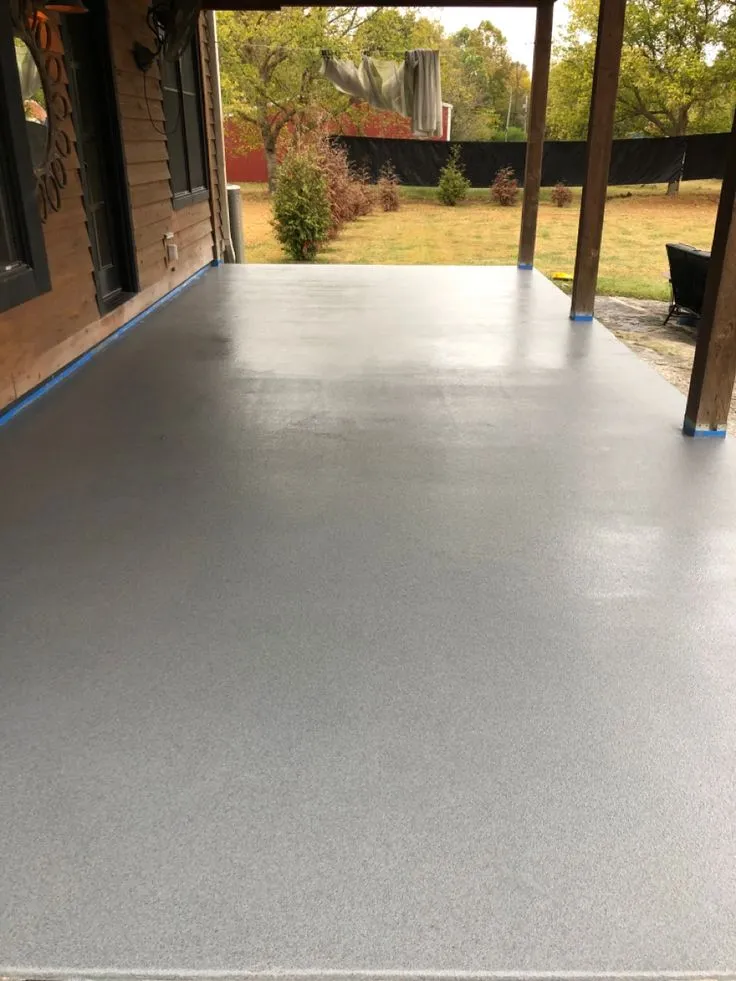
An outdoor walkway does more than connect one part of a property to another. It influences how visitors approach a home, how easily residents move between outdoor areas, and how the landscape feels as a whole. Over time, exposed concrete may develop stains, worn patches, or surface irregularities that affect both appearance and usability. Property owners exploring Concrete Coatings should therefore consider the complete walkway rather than simply choosing a decorative finish. Drainage, surface texture, sunlight, and surrounding landscaping all influence whether an improvement will remain practical.
Understand How People Use the Walkway
A front entrance receives different traffic from a garden path or walkway beside a swimming pool. Visitors may carry packages, children may run across the surface, and residents might use carts or outdoor equipment.
Observe where people naturally walk before planning improvements. Narrow sections, awkward turns, and changes in elevation can make movement uncomfortable. A coating may improve the surface, but it cannot correct every problem with the existing layout.
Inspect the Existing Concrete Carefully
Concrete can develop cracks, discoloration, and surface wear after years of outdoor exposure. Some defects are primarily cosmetic, while others may indicate movement, drainage problems, or deteriorating supporting material.
Examine the walkway after rainfall and note where water collects. Significant cracks, uneven sections, or recurring movement deserve professional assessment. Applying a decorative finish without addressing these conditions can lead to further problems after installation.
Consider Traction Before Choosing Gloss
Outdoor surfaces are frequently exposed to moisture from rain, irrigation, and cleaning. A smooth, reflective finish may look attractive but could provide insufficient grip under certain conditions.
Suitable textured finishes and traction additives may help manage slipping risks. However, no coating eliminates every hazard. Maintaining drainage, removing debris, and keeping walking routes clear remain important, especially where older residents or children regularly use the area.
Compare Decorative Finish Options
Different exterior coatings create different appearances and performance characteristics. Decorative flakes can introduce visual texture, while solid-color finishes offer a more restrained appearance that may complement surrounding paving.
An Epoxy Flooring specialist can explain why exterior-rated protective systems differ from products intended for indoor rooms. Certain polyaspartic topcoats offer improved ultraviolet stability, but suitability depends on the complete system and exposure conditions.
Make the Walkway Complement Landscaping
Pathways should connect naturally with planting beds, patios, entrances, and other outdoor features. A finish that contrasts sharply with the building may draw unwanted attention rather than create a balanced appearance.
Neutral colors often work well with natural stone, timber, and greenery. Consider how the surface looks under direct sunlight and evening lighting. Samples viewed outdoors can provide a more accurate impression than photographs taken in controlled conditions.
Review the Project Before Installation
Preparation is essential when applying protective materials to existing concrete. Grinding may be required to remove contamination and create a suitable surface profile before new layers are installed.
Before accepting a quotation, discuss:
-
The condition of existing cracks and joints.
-
Areas where water collects after rainfall.
-
Appropriate traction for expected activities.
-
Sunlight exposure and coating compatibility.
-
Temporary access restrictions during installation.
These details help establish realistic expectations about the work rather than relying exclusively on decorative samples.
Plan Around Everyday Access
Outdoor walkways often provide essential access to entrances, gardens, and parking areas. Closing them for renovation may inconvenience residents, visitors, or delivery personnel.
Discuss alternative routes before work begins. Installation and curing requirements depend on the selected system and environmental conditions. Pedestrian access should resume only when the finished surface meets the manufacturer’s instructions.
Maintain the Surface Throughout the Year
Outdoor coatings still require regular cleaning. Leaves, sand, and small stones can accumulate around corners and drainage points, while harsh chemicals may damage certain protective finishes.
Use compatible cleaning products and inspect joints periodically. New cracks, lifting edges, or unusual water accumulation should receive attention rather than being hidden with additional paint. Maintenance supports the surface’s appearance and practical performance.
Conclusion
An attractive walkway should also support comfortable movement, suitable traction, and straightforward maintenance. Property owners need to consider concrete condition, drainage, sunlight, and the surrounding landscape before choosing decorative materials. Proper preparation and product selection are essential for outdoor applications. For homeowners exploring walkway and patio improvements across Fairfield and the San Francisco Bay Area, rhynopoxy.com provides information about exterior concrete coating services. Thoughtful design can help create outdoor routes that complement the property while remaining useful throughout changing weather conditions.