
There’s a moment, usually right after you spot a dark stain on the ceiling or you hear something tapping above you during a storm, when you realize you can’t ignore the roof anymore. And calling a roofing contractor feels like stepping into a process you’re not totally sure about. What actually happens during a roof inspection? What do they look for? What should you expect? Knowing the steps ahead of time takes the nerves out of the whole thing and helps you understand what’s normal, what’s not, and what a good contractor actually does.
10 Things You Should Expect During a Roof Inspection
Let’s go through them all.
1. A Conversation Before Anything Else
A good contractor starts with questions. They want to know the age of the roof, any leaks you spotted, noises you heard during storms, or areas inside the home that worry you. This quick talk shapes the inspection. It gives them clues. It filters out guesswork. A contractor who rushes straight to the roof without asking anything is already skipping an important step.
2. A Walk Around the Home Exterior
Before climbing up, they walk the perimeter. This part is slower than you might expect. They look at how the roof sits, how the edges age, and how the gutters hold up. They check for sagging areas, lifted shingles, algae streaks, cracks in the flashing, bent gutters, and anything else that hints at deeper issues. It is the warmup before the real workout.
3. A Careful Inspection On the Roof Itself
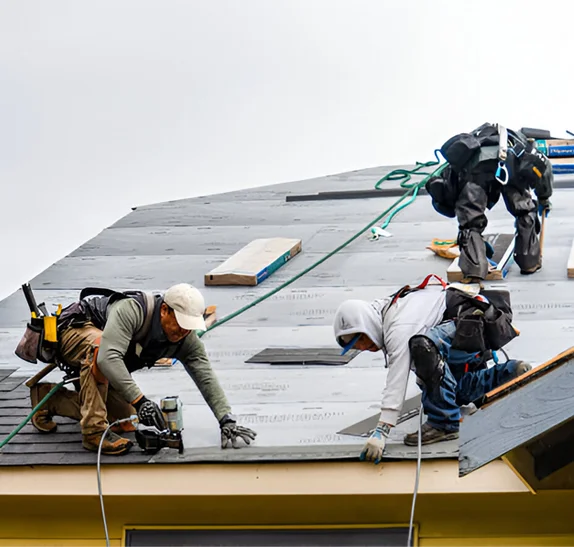
When they get up there, it should never look rushed. A contractor checks shingles one by one, feels for soft spots in the decking, scans for granule loss, tests the flashing, looks at the vent boots, and studies the ridge line. They evaluate every transition point because that is where most leaks begin. They check nail pops, hairline cracks, blistering, curled edges, and storm damage. It is slow work. It should be slow. Real inspections never move fast.
4. Checking Gutters and Drainage
Drainage tells a story. Gutters that sag can shift water the wrong way. Gutters packed with debris cause overflow that sneaks under shingles. Downspouts that pitch wrong push water toward the foundation. Your contractor should run through all of this. If they skip the gutters, they skip one of the biggest causes of roof problems.
5. An Attic Inspection if the Home Has One
The attic reveals more than the roof surface ever will. Contractors look for wet insulation, water rings on the wood, mold smells, blocked ventilation, rusted nails, and sunlight slipping through tiny gaps. The attic tells you if the roof is breathing properly. Poor ventilation alone can shorten a roof’s life dramatically, so this part matters more than most people realize.
6. Photos and Visual Proof of Everything
Every good contractor brings a camera or uses their phone. They take photos of damage, photos of weak spots, photos of healthy areas, and photos of anything they mention in their report. If the contractor gives you a long list of issues but no pictures, that is not a trustworthy inspection. Photos protect you. They keep the process honest.
7. A Breakdown of What Is Urgent and What Can Wait
Not everything on a roof is an emergency. A professional will tell you that. The best contractors divide things into categories. Immediate repairs, maintenance items, and long term concerns. When you get that separation, you can plan your budget without panic. It shows honesty. It shows respect for your wallet. A contractor who insists that everything must be fixed today is selling pressure, not expertise.
8. A Clear Estimate That Makes Sense
A real estimate is not a messy list. It is structured. Simple to read. You should see material costs, labor costs, the timeline, warranty details, and any optional add ons. You should not feel confused when you read it. If you have questions, the contractor should answer without hesitation. Transparency is part of professionalism.
9. Honest Insight About Your Roof’s Lifespan
This part sometimes surprises people. A contractor should tell you how many years the roof realistically has left. Not a guess. A true evaluation based on the wear, the materials, the repairs made in the past, and the climate where you live. Sometimes roofs that look rough still have time left. Sometimes roofs that look fine are closer to the end than you expect. A straight answer builds trust.
10. A Chance to Ask Anything Before They Leave
The end of the inspection should not feel rushed. A good contractor opens the door for questions. They should answer clearly. They should be willing to explain the photos. They should help you understand the repairs instead of throwing jargon at you. When you feel informed, the inspection did its job.
Conclusion
When you bring in a roofing contractor for an inspection, you should expect a process that’s thorough, steady, and transparent from start to finish. A conversation to learn what’s going on. A careful look at the outside, the roof itself, and the attic. Photos that show the story clearly. An honest breakdown of what needs attention now and what can wait. And a written estimate that makes sense. When all those pieces come together, you’re left with something more valuable than answers you get peace of mind, and a clear plan for keeping your home protected.